5 Polite Spanish Phrases You’ll Use Every Day in Mexico
Learning how to be polite in Spanish is important as we navigate our day-to-day life in Mexico. There are a few essential and polite Spanish phrases that help us to be respectful and are easy to learn.
Maybe you need to get someone’s attention… “Excuse me”
Or you bump into someone lightly as you walk by them… “Sorry”
Or maybe someone is standing directly in front of the item you need at the grocery store. ”Oh. Excuse Me, I just need to get by.”
In Spanish, and specifically here in Mexico, there are certain polite Spanish phrases to help us express these thoughts BUT they are completely different from the phrases we would say in English (and not even Google Translate gets them right!)
If you’re using Spanish phrases like: Lo siento or Perdonáme, keep reading to learn 5 key polite Spanish phrases that are indispensable in your daily life to communicate with respect.
1. Disculpe (Excuse Me)
Used to get someone’s attention
Whether you need to get your server’s attention or ask a store employee where a certain item is located in the store, the phrase you will want to use is: ¡Disculpe! (said like dee-school-pay).
When you say this word, it works like magic and the person you are trying to talk to will immediately turn their head. And they will likely reply to you with our next Spanish phrase…

2. Mande
Used to indicate you are listening after being called
This phrase is very Mexican but it’s not slang. It is the most common way to answer someone who says ¡Disculpe! or when they call you.
- You say ¡Disculpe! to a busy store worker. They turn around and say ¿Mande? to indicate they are listening.
- Dad is calling his son who is up in his room, ¡Jose!. Jose replies, ¿Mande? to tell his dad that he is listening.
Just note that you may also hear: Dígame or Dime which literally means ‘Tell me’. These phrases indicate the person is listening and for you to speak.

Learn the Spanish You Actually Need for Life in Mexico
Take the 1-min quiz to find the right course to help you understand more, respond with more confidence, and use Spanish in everyday life.

“I was able to speak my first real sentence in Spanish during the first class, something that Duolingo didn't help me with after 1 year.”
— Monica O'Neil-Glenn
3. Con Permiso (with Permission)
Used to indicate you need someone to move or you are trying to get by
If you need to walk between two people, squeeze by people while trying to get off a crowded bus, or politely ask them to ‘move’ so that you can grab an item from the shelf, the best phrase to use is con permiso.
The polite Spanish phrase con permiso means ‘with permission’. It can be shortened to permiso and works exactly the same.
You might be thinking… Can I say ¡Disculpe! in this situation?
Remember, ¡Disculpe! is used to get someone’s attention so you can speak to them. Whereas, permiso or con permiso indicates you are asking permission to get by, permission to walk through two people having a conversation on the street, or asking someone to move out of the way.
Learning how to be polite in Spanish means thinking about the situation and choosing the word/phrase that best accomplishes your intentions, rather than simply translating it.

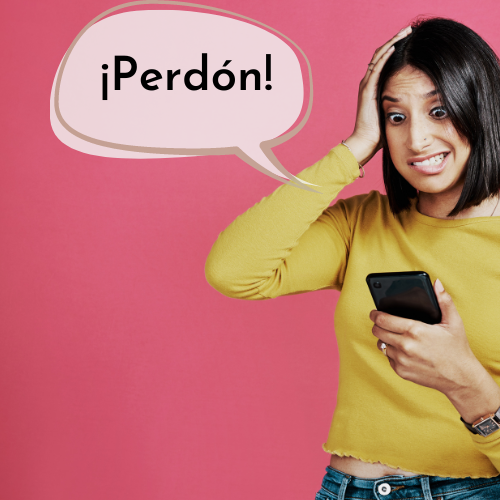
4. Perdón
Used to apologize for a not-so-serious offense
If you have been using Lo siento for ALL situations as a way to apologize, pay special attention to this explanation.
In English, the word ‘sorry’ can be used for pretty much everything from interrupting someone (sorry, go ahead) to giving condolences to someone for the loss of a loved one (sorry for your loss)
There are polite Spanish phrases that help us express different intensity levels based on how ‘sorry’ we really feel. It is important to choose the right one otherwise, it might sound a little heavy or out of context.
For light situations such as…
- Dropping a business card someone just handed you
- Bumping into someone accidentally as you walk by
The appropriate word to use is Perdón. If the situation is a little bit more serious, you will need the next phrase on the list.
5. Lo Siento
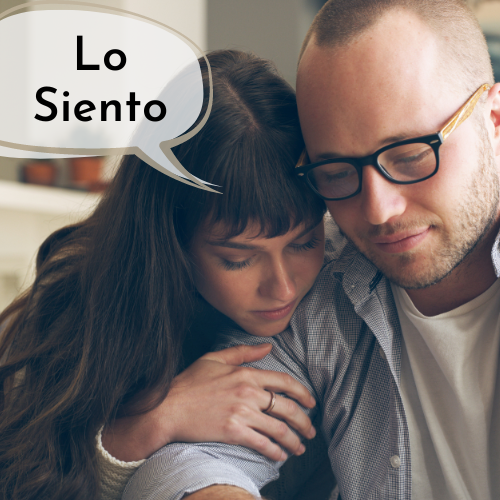
Used to apologize for things you really feel bad about
The phrase Lo siento actually means ‘I feel it’. It shows empathy and recognition for the mistake you made or the situation the other person is experiencing.
Lo siento is appropriate for heavier situations like…
- Bumping into someone and actually knocking them over on the ground
- Really messing up at work or forgetting something important
- Offering condolences for the loss of a loved one/beloved pet
One more polite Spanish phrase related to forgiveness is perdonáme. This is typically used to ask someone to forgive you.
- Apologizing to a partner after an argument
- Apologizing to your boss for the huge mistake you made on the project
Polite Spanish Phrases: Quick Answers
How do you say "excuse me" in Spanish?
In Mexico, ¡Disculpe! is the most common way to say "excuse me" when you need to get someone's attention — like a server or store employee. If you need to squeeze past someone, use con permiso instead. They sound similar but serve different purposes: disculpe calls attention, con permiso asks permission to pass.
Disculpe vs. Con Permiso — what's the difference?
Disculpe is used to get someone's attention so you can speak to them. Con permiso is used when you need someone to move or let you pass. If you're at a grocery store and someone is blocking the shelf, say con permiso. If you need to ask the cashier a question, say ¡Disculpe!
Perdón vs. Lo Siento — when do I use each?
Perdón is for light, everyday apologies — bumping into someone, dropping a card. Lo siento is for heavier situations — knocking someone over, making a serious mistake, or offering condolences. Using lo siento for a minor bump can sound overly dramatic, so save it for when you truly mean it.
What does "mande" mean in Mexico?
¿Mande? is the most Mexican way to say "I'm listening" or "what was that?" after someone calls you or says ¡Disculpe! It's not slang — it's standard Mexican Spanish. You may also hear Dígame or Dime (literally "tell me"), which serve the same purpose.
Spanish Lessons That Make Every Conversation Easier, Week After Week
Take the 1-min quiz to find the right course to help you understand more, respond with more confidence, and use Spanish in everyday life.

“Expat Spanish seems to have the ‘secret sauce’ to teach this language with a blend of audio, visual and live classes that all focus on speaking and listening. The result is learning quickly, painlessly, and it's fun!”
— Peter Luiciano
Keep Learning Spanish
More free lessons to help you speak Spanish with confidence in your everyday life in Mexico.